


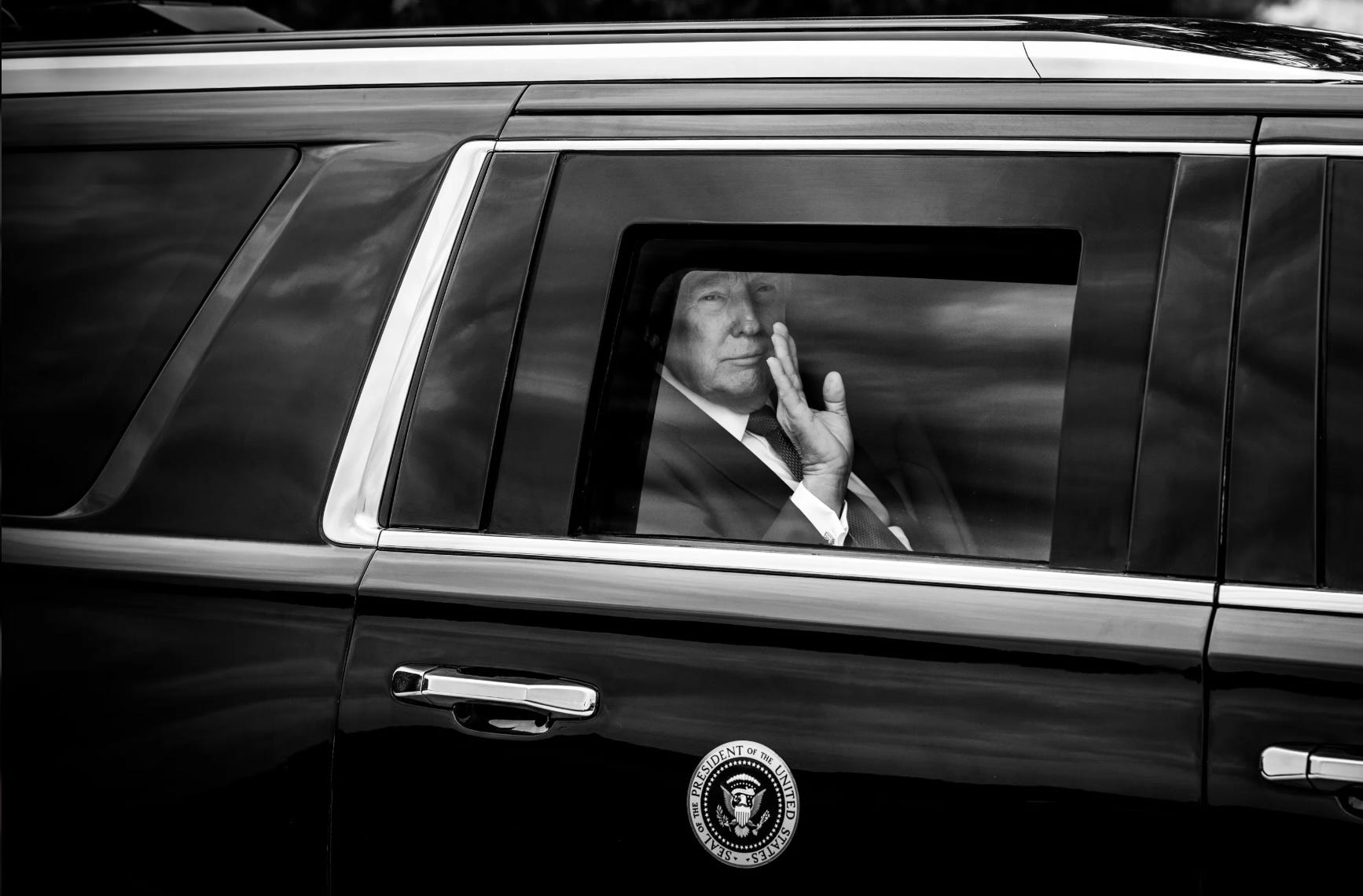
A dangerous fatalism is settling in about America’s place in the world. After Donald Trump became president for the first time in 2016, many around the world—government leaders and analysts alike—hoped that the outcome was a one-off protest vote, a very narrow one at that, and that victory and ideas did not signal a permanent change in American foreign policy. After Trump won a second time, however, a new conventional wisdom settled in: Trumpism represents America’s new and enduring approach to international politics. Trump is not the cause, but a symptom of deeper structural trends in American society, so the argument goes.
This analysis is flawed. Without question, President Trump has done real damage to American power and purpose in global affairs in ways that will take years, if not decades, to repair. His second term has wreaked more havoc than his first. But to assume that this current trajectory is permanent is analytically inaccurate and prescriptively dangerous. Trumpism may be the symptom, not the cause, of some trends in domestic politics. I am not sure; I am not an expert on domestic politics. But when it comes to U.S. foreign policy, President Trump is out of step with American society. In his second term, Trump has not followed or reflected the will of the majority on foreign policy. Instead, he has pursued a series of foreign policy initiatives driven solely by his own desires. During his last presidential election, Trump did not seek, nor therefore win, endorsement for most of his new foreign policy actions. American voters most certainly did not ask for them back in 2024. In 2026, much of Trump’s foreign policy agenda is deeply unpopular.
Trump the individual, not innate structural forces, is the cause of much of the irrational, imprudent chaos unfolding in American foreign policy today. And therefore, the current trajectory of American foreign policy can change radically in a post-Trump era. There is no going back to the “glory days” of the 1990s, but that doesn’t mean we are destined to stay on a suicidal course for American national interests. Change is possible. Change is even probable.
The Damage Is Deep
Presidents in the American political system have significant autonomy and influence over foreign policy. That presidential power has grown in recent decades, especially as the U.S. Congress has refrained from exercising its power to shape foreign policy as outlined in the U.S. Constitution. Of the 281 executive orders that Trump has issued since the start of his second term, 70 have impacted foreign policy (President Obama issued 276 executive orders across his entire two terms in office). In his second term, more confident in his own ideas and less constrained by professional national security officials who held major positions in his first administration, Trump has personally impacted U.S. foreign policy in dramatic, consequential ways—almost all of them bad.
Trump has radically damaged American alliances, disrupted trade practices, and demolished American foreign assistance. His failed war against Iran has weakened America’s position in the Middle East and empowered China. His decision to cut aid to Ukraine and leave that fight to the Europeans, coupled with his embarrassing threats to annex Greenland, has deeply diminished American power and influence in Europe. Trump’s capitulation in his game-of-chicken trade war with China, combined with his decision to postpone military exercises with South Korea and praise North Korea’s communist dictator, has compelled many in Asia to embrace Beijing’s line that the U.S. is a declining power. Closer to home, Trump has alienated one of America’s most loyal and enduring allies: Canada.
It is important to remember, however, that these dreadful foreign policy decisions resulted from Trump’s independent actions. They do not reflect the will of the American people, nor are they an expression of some innate structural variables guiding American behavior such as power, history, or culture. In international relations, power and the balance of power of course matter. But individuals matter too.
As a presidential candidate in 2024, Trump did not pledge to annex Greenland, invade Iran, fight with allies, embrace dictators, or blow up the international trading system. Instead, Trump’s campaign focused successfully on his proposals for new economic policies, especially taming inflation. These domestic economic concerns resonated with his voters. According to the Pew Research Center, one of America’s major polling organizations, the economy was the most important issue for Trump voters in 2024. The only “foreign policy” issue that Trump campaigned on and then delivered on was his promise to close the border with Mexico and reduce illegal immigration. Beyond border security and immigration policy, foreign policy played a very small role in the 2024 presidential election. The rise of China, the threat from Iran, or Russia’s invasion of Ukraine generated very little attention.
However, Trump’s departure from the will of the American people —including, on some issues, his own electoral base— is now catching up with him. Increasingly, Americans are paying more attention to Trump’s foreign policy decisions—and they do not like what they see. Most of Trump’s foreign policies are not just unpopular abroad; they are also unpopular at home.
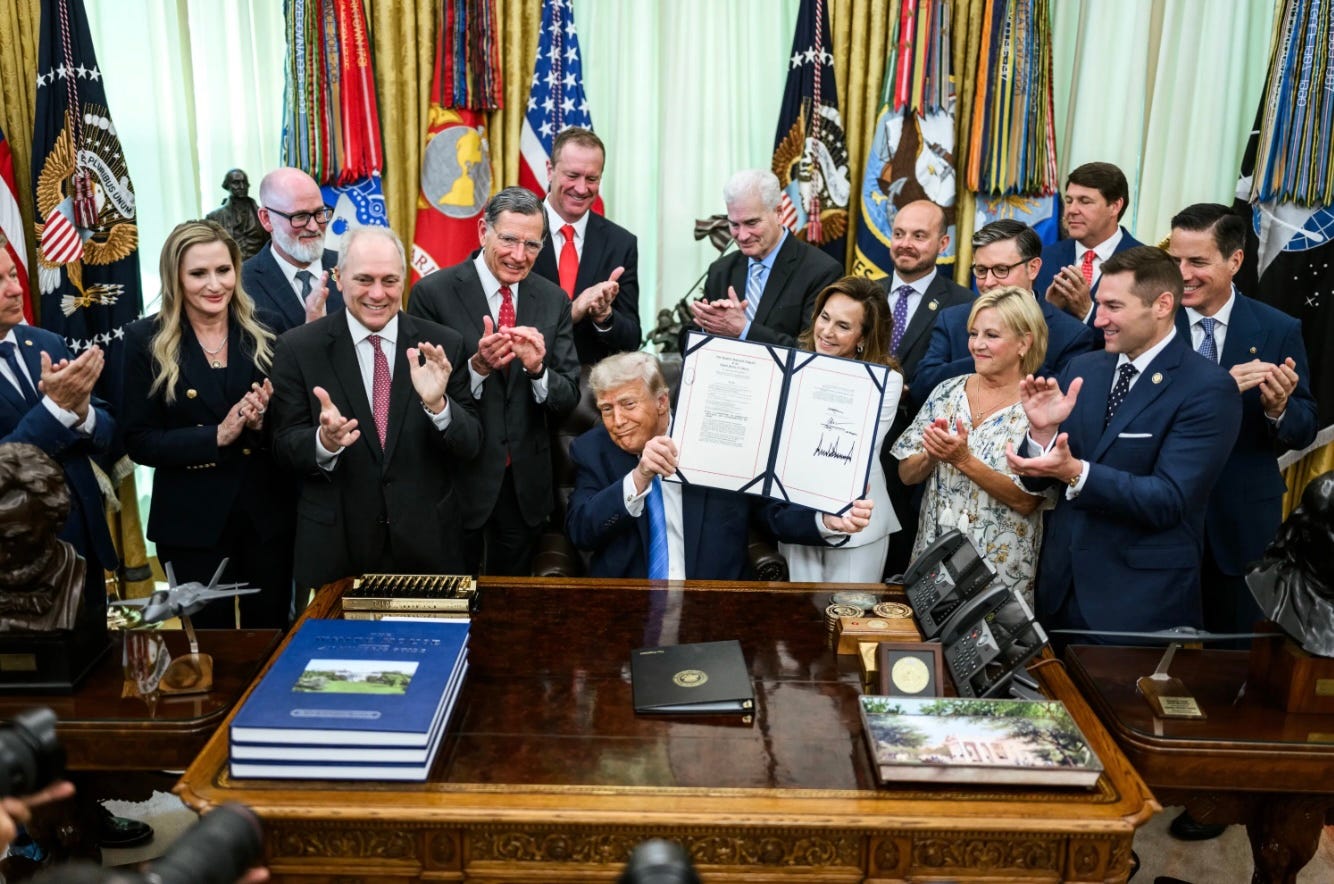
Trump Is Out Of Step with American Society
Trump’s overall approval rating is very low. A Reuters/IPSOS poll in August found that only 33 percent of Americans support the president, the lowest number of his presidency. Therefore, it is difficult to untangle disapproval of his foreign policies from his overall decline in popularity. But when polling agencies ask specific questions about foreign policy issues, nearly all of Trump’s major initiatives prove unpopular.
Near the top of Trump’s most unpopular foreign policies is his decision to go to war against Iran. He did not warn American voters of this plan. On the contrary, both during the 2024 presidential campaign and for many years prior, Trump had promised to keep the United States out of wars. In the run-up to initiating this war, Trump did not bother to explain to the American people why it was necessary to go to war with Iran at that time, nor did he seek Congressional authorization for it. Once the Iran war began, Trump promised a short and decisive victory that he claimed would (1) eliminate Iran’s nuclear program forever, (2) end Tehran’s support for terrorism, (3) reduce Iran’s missile production to zero, and (4) produce democratic regime change. More than six months later, none of these goals have been achieved.
Instead, new challenges to America’s national interests, including most prominently the closure of the Strait of Hormuz, have resulted as a direct consequence of Trump’s war. And the costs of this war for achieving so little have been substantial: (1) the death of 18 U.S. soldiers, 750 more wounded, and thousands of casualties, including civilians, in Iran and countries in the region, (2) the depletion of American military stockpiles, especially missile defense interceptors, which would make it very difficult to come to the aid of allies in Asia or Europe in the event of war; (3) skyrocketing energy prices that have directly impacted American consumers, but also consumers around the world, and (4) deep damage to America’s global reputation, making the U.S. look like a rogue country that does not abide by international laws or norms. The latter is a giant gift to China, which can instead present itself as a more law-abiding great power. Polls show a dramatic fall in America’s reputation around the world, even among allies, and a rise in China’s reputation.
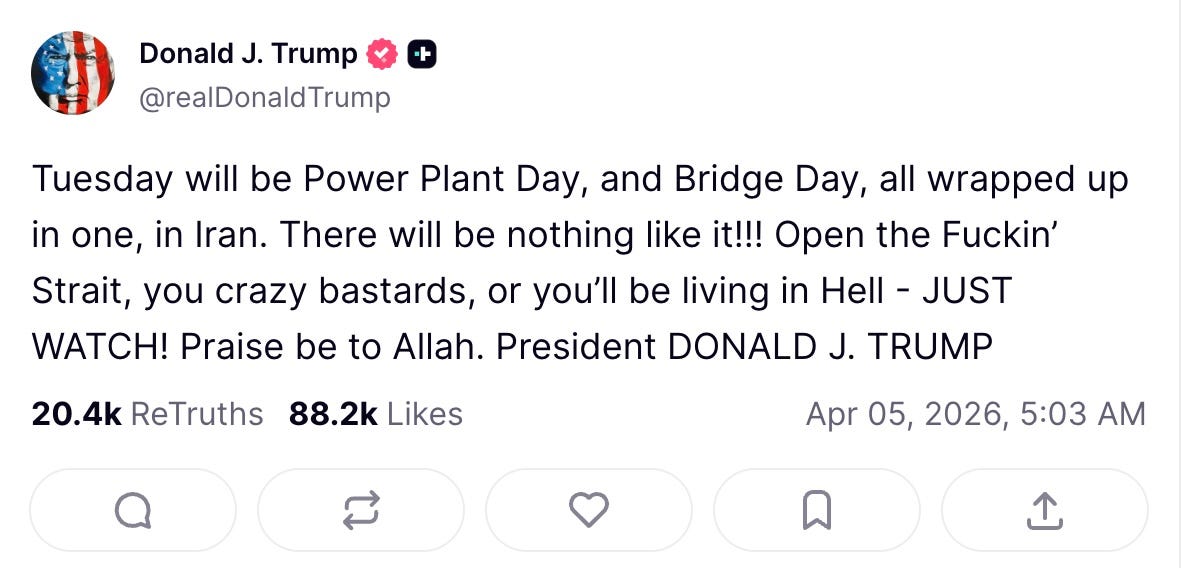
Trump’s war against Iran is very unpopular. A YouGov/Economist poll in August 2026 revealed that 57% of Americans think that Trump made the wrong decision to go to war with Iran; only 25% approve. A May 2026 poll conducted by the Chicago Council on Foreign Affairs found that 86% of respondents blamed Trump’s Iran war for the rising cost of living, and more generally identify numerous setbacks from the war for America’s international reputation and national security. Unlike previous American wars, including Vietnam, Afghanistan, or Iraq (both times), Trump’s war against Iran was unpopular from the very beginning and has declined in popularity ever since.
Another deeply unpopular element of Trump’s foreign policy is all the fights he has picked with allies, especially in Europe. As mentioned, he has threatened to invade Greenland—a territory of American ally, Denmark. He has started a trade war with Canada, even though he negotiated a new trade treaty with that country in his first term. He then exacerbated tensions by publishing all sorts of demeaning AI-generated memes about Canada, including, most embarrassingly for me as an American, reposting an image of himself in hockey gear, standing threateningly over a cowering “Governor” Mark Carney. His publication of a map of North America described as “the United States”—including not only Canada and Mexico, but even Iceland—was juvenile and insulting. The vitriol for democratic allies extends well beyond North America. With the possible exception of Israel (and even this relationship is showing signs of fissures), every bilateral relationship with an American ally is more strained today than it was in 2024.
Americans do not like fighting with allies. They especially do not like spats with democratic countries. Public opinion polls show very clearly that American society values our allies, even when the current U.S. president does not. According to a 2025 poll by the Chicago Council on Global Affairs, which has been tracking Americans’ views on foreign policy for more than 50 years, 60% of respondents thought that important foreign-policy decisions should be made in consultation with major allies, compared with just 21% who favored the U.S. making decisions on its own. A whopping 91% of respondents believed that maintaining US alliances was an effective way to achieve U.S. foreign policy goals.
Regarding NATO, a solid majority of Americans—68%, according to a June 2026 poll by the Chicago Council—favored maintaining or increasing U.S. commitment to the alliance, though that number has dropped from a 2022 high of 81%, in large part due to declining Republican support. Majorities of Americans also view Canada and South Korea as “allies” or “friends”, according to a recent YouGov/Economist poll.
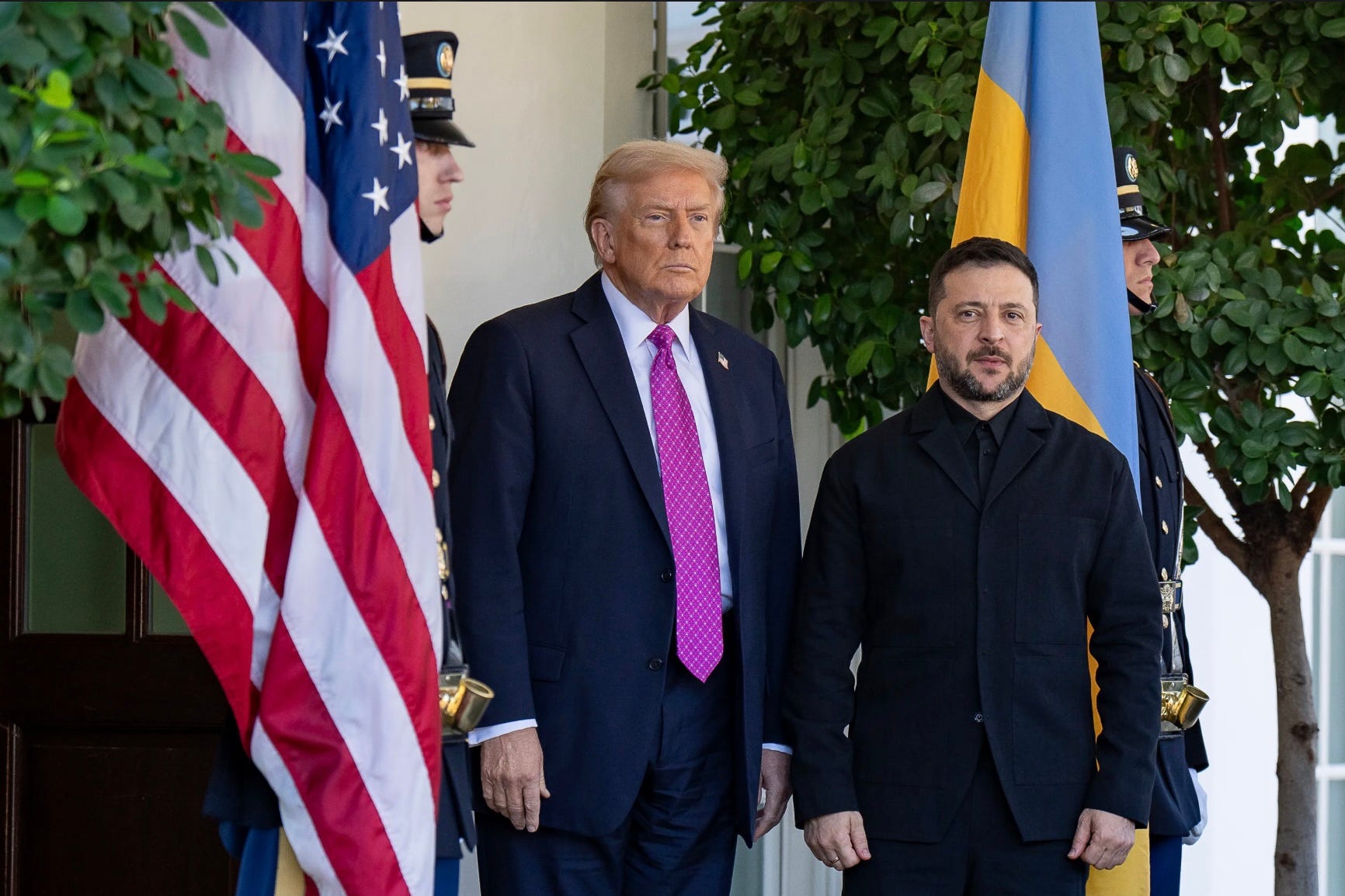
Regarding Ukraine, the Trump administration has maintained intelligence-sharing with Kyiv and allowed the Ukrainian government to purchase some American weapons, but also has cut military aid to nearly zero in his second term. Just 22% of Americans say they want to decrease or stop this aid to Ukraine entirely, according to the latest YouGov/Economist poll. Most Americans say they want to either increase aid to Ukraine (27%) or maintain what we are giving them now (28%). The latter figure suggests that many Americans do not know just how little we are currently giving to Ukraine.
Furthermore, Trump has adopted a neutral position on the Russia-Ukraine war, never blaming Putin for starting this war, but instead urging both sides to negotiate a “win-win” deal. American society does not share that approach. Most Americans (62%) sympathize with Ukraine, while only 2% sympathize with Russia, according to the latest YouGov/Economist data. Relatedly, 49% of American adults disapprove of the way Trump is handling the war, while only 28% approve. Trump’s embrace of Russia’s imperial dictator, Vladimir Putin, is not a foreign policy shift that sits well with Americans. The latest Pew Research Center data shows that 83% of Americans polled report that “they do not have confidence in the Russian president to do the right thing regarding world affairs.” Few issues in the United States enjoy such bipartisan support. This is one of them. Trump’s long-term embrace of Putin is very out of step with American society.
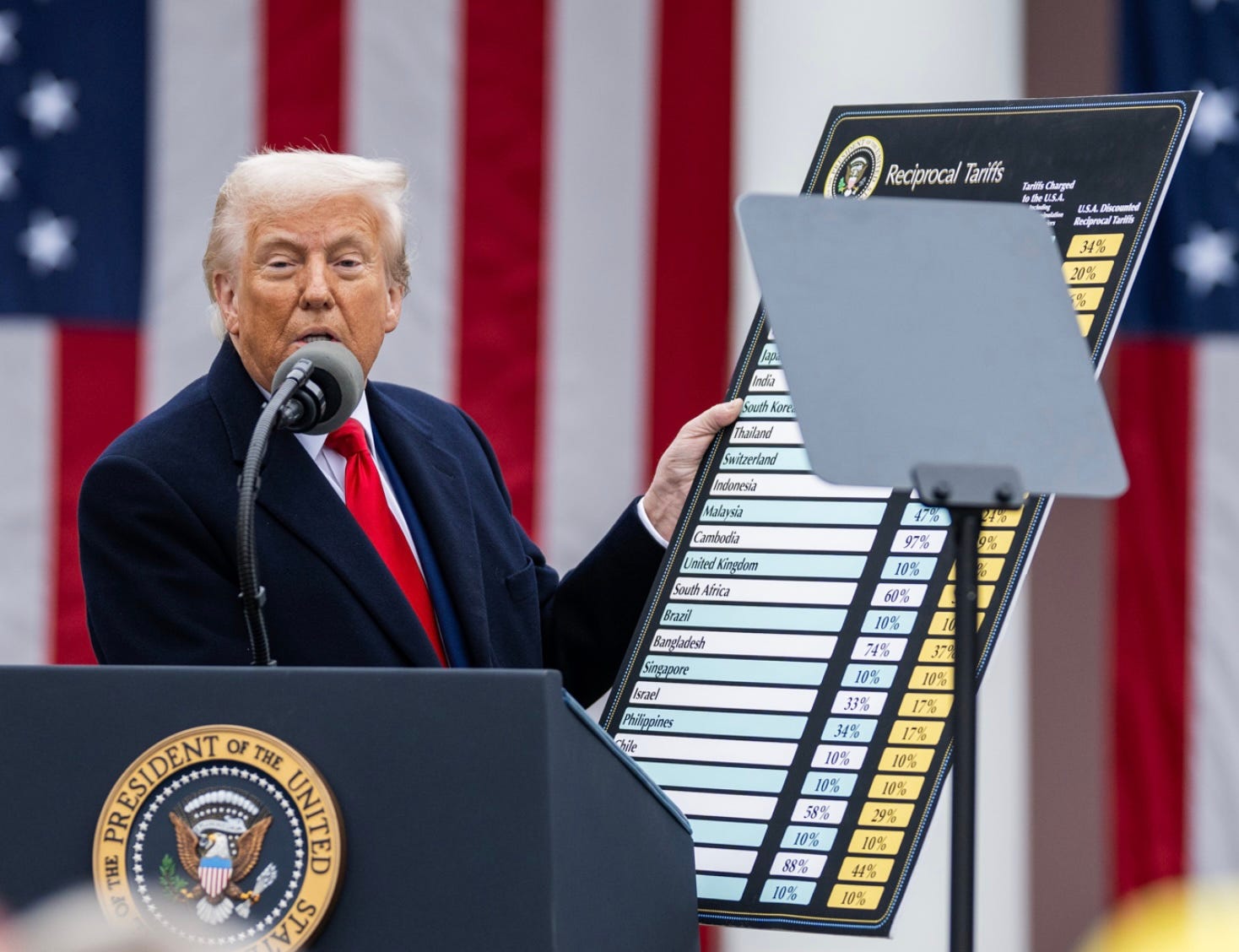
Even Trump’s tariffs are not popular. He has tried to explain his implementation of new tariffs on nearly every country in the world (Russia, strangely, gets a pass) as a way to bring manufacturing jobs back to the United States. To date, the American people are not buying it. According to Pew, 63% of Americans express little or no confidence in Trump’s handling of tariff policy. An even higher number of Americans, 70%, see a direct relationship between Trump’s tariffs and higher inflation. More broadly, 82% of Americans view trade as “an opportunity for economic growth” through increased exports, while only 13% think that trade is a “threat to the economy” through increased foreign imports. Again, the gap between Trump’s trade policies and the views of the vast majority of Americans is very wide.
Most strikingly, Trump’s slashing and burning of U.S. foreign assistance programs, including most dramatically the gutting of the U.S. Agency for International Development (USAID), have not generated new popular support. Americans have long been somewhat skeptical of foreign assistance, in part because they have held an exaggerated view of how much the United States spends on aid. But public opinion polls still show general support for foreign aid. A June 2026 poll by the Rockefeller Foundation found that 54% of respondents supported foreign assistance— figures that grew when specific examples were provided (humanitarian relief (90%), preventing disease outbreaks (90%), and peacekeeping and conflict resolution (78%). The same survey found that eight in 10 Americans believed that the right path was to reform and strengthen foreign aid with better safeguards, rather than to eliminate it — including 83% of Republican and Republican-leaning respondents.
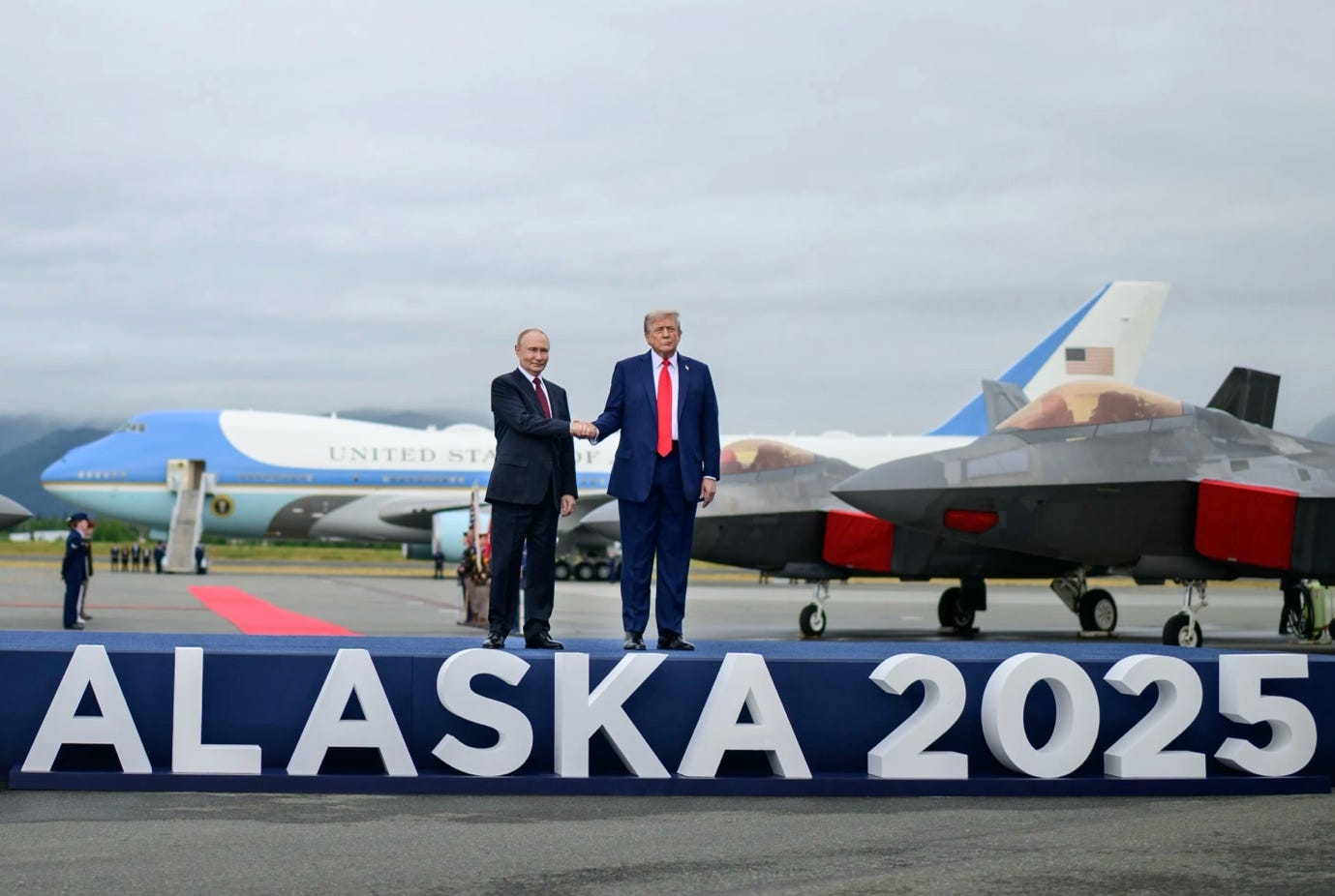
One of Trump’s most radical foreign-policy departures from previous administrations over the last century has been his complete rejection of democracy promotion abroad. Camouflaged as “realism,” Trump does not believe that it is in the American interest to support human rights, freedom, or democracy around the world. Instead, he seeks to do deals— transactions—with autocrats. Shockingly, the Trump administration removed from power the long-standing Venezuelan dictator Nicolas Maduro, only to then pivot to deepening cooperation, including signing a multi-billion-dollar oil deal, with Maduro’s vice president, Delcy Rodriguez. Generally, Trump is more friendly to autocratic leaders in China, North Korea, and Russia than he is to democratic leaders around the world. Only very rarely has Trump met with human rights activists or democratic opposition leaders from other countries.
When it comes to foreign policy priorities, polls show that Americans do not rank democracy promotion at the top of their lists; not surprisingly, preventing terrorist attacks and nuclear proliferation are considered more important. But these same polls demonstrate that most Americans still care about supporting human rights and democratic values abroad, even if they are a secondary priority. According to a recent Gallup poll, 88% of Americans say that promoting and defending human rights in other countries “is very or somewhat important”, while 75% of Americans say that the same of helping other countries to build democracy. That support also crosses partisan lines. In a 2025 Reagan Institute survey, 83% of those polled—including 87% of Democrats and 81% of Republicans—agreed that the United States has a moral obligation to stand up for human rights and democracy whenever possible. Trump’s indifference to defending these values does not align with American society. His transactional approach and, in the case of Venezuela, imperial approach to foreign policy are not what most Americans want.
Even Trump’s immigration policies have lost support. The majority of Americans want border security and checks on illegal immigration. At the same time, most Americans do not support the methods that the Trump administration has been using to arrest and deport undocumented migrants. The killing of American citizens by ICE agents has produced real backlash; so too have the numerous stories of wrongly arrested American citizens and detentions of children separated from their families. In a February 2026 Ipsos poll, 62% of Americans said ICE’s immigration enforcement efforts had gone “too far.” Strikingly, 45% supported deporting undocumented immigrants but were uncomfortable with the government’s current enforcement tactics, compared with just 26% who supported deportation and were comfortable with those tactics. By late July, 58% of Americans in an AP-NORC poll disapproved of Trump’s handling of immigration, while 58% said ICE had used too much force.
A New U.S. Foreign Policy Is Not Just Possible but Probable
Trump’s foreign policy is not rooted in American traditions, nor is it the result of a major shift in the balance of power in the world. Neither has Trump’s foreign policy produced tangible results for American security and prosperity. Consequently, Trump’s foreign policy is generally unpopular.
This current trajectory in U.S. foreign policy should not be interpreted as the new, inevitable, enduring way that America will behave in the international system. Maybe, but probably not. Analysts in the U.S. and around the world who proclaim that everything has changed in global politics because of the Trump era are exaggerating the long-term effects of the current moment. Nothing Trump has done is immutable. The next president can reverse many of these policies and will be applauded by most Americans for doing so—even if repairing the damage they have caused will take time.
Rejecting policy is one thing; proposing an alternative is another. If Democratic 2028 presidential candidates—first and foremost, but Republicans as well—want to garner popular support for their foreign policy proposals, they must break radically with Trumpism. Instead of unilateralism, new American leaders must embrace cooperation with allies and renewed participation in international organizations. Instead of the imperial, lawless use of force, new American leaders must pledge only to use force when vital national security is being threatened, and then only with the support of the U.S. Congress. Instead of amoral deal-making with autocrats to enrich those connected to the White House, new American leaders must reaffirm a long-standing American tradition of supporting freedom, human rights, and democracy abroad.
These policy changes will be popular at home, and over time, after a period of healing—maybe abroad as well, especially among our democratic allies and partners. Most importantly, they will be much more effective for advancing U.S. interests and values.
The problem with an attempt to repair the damage internationally, is that world leaders know America is only as sane and reliable as the results of its next election.
It is not just Trump. It's the utter failure of all those in positions of power to challenge him, with so many supporting and funding him. That includes politicians, judiciary, business leaders notably tech (including crypto, social media and AI), finance, energy, academia, military. Across the board they have been spineless or complicit with all too few exceptions. The rot extends far beyond Trump.
Trust takes decades to build - and at least as long to rebuild.